The Team

Meet the amazing team that continue the fight to end painful skin

Cure EB Advisory Board

Caroline Bernstein
Debbi Clark
Sara Cooper
Anna Cryer
Roberta Elliott
Jane Epstein
Rebecca Greenwood
Peter Hall
Sarah Harrison
Candida Hickman
Sloan Hickman
Laura Lomer
Sonia Shah Ling
Ester Rozas
Tara Soning
Katri Yates

Operations
Rachel Lesiter

Administrator
Elizabeth Llewellyn

Research Officer and Project Manager
Amy Strother

Corporate Relations
Suzy Powell

Community Liaison Officer
Kate Gee


All senior positions are trustees and volunteers, with paid admin and fundraising support staff.

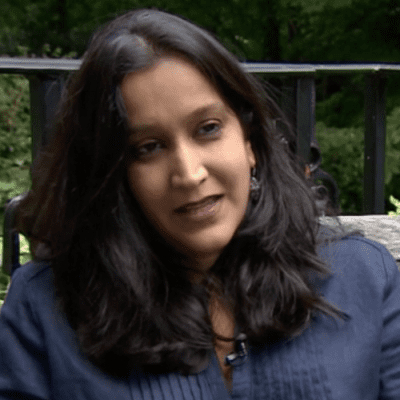
Sharmila Nikapota (Collins)

Sharmila is an unpaid director of EBT. As a mother of a child with recessive dystrophic EB, she has a wealth of EB experience. As Founder and Trustee of Cure EB, she has a deep understanding of the research landscape given the charity's research focus. She brings this broad ranging experience from both patient and research perspective to her role at EBT, leading on the strategic research direction for the company.

Sharmila graduated from Cambridge University with a degree in veterinary medicine in 1994. She has utilised her scientific background to foster relationships with researchers and clinicians globally, to drive research in to promising treatments for EB.

Dr Hal Landy

Hal Landy is a physician with 40 years of clinical research experience developing novel therapeutics primarily for rare genetic diseases. Therapeutics have included protein replacement therapies, exon-skipping compounds and gene therapies.

Since 2007, Dr. Landy has served as Chief Medical Officer or chief medical consultant for numerous start-up biotech companies and mid-size pharmaceutical companies. Notable approvals include Myozyme for Pompe disease, Strensiq for hypophosphatasia and Brineura for late-infantile Batten disease. He has also served as Principal Investigator on FDA and Department of Defense grants.

He was educated at Harvard College and Columbia University, trained at Massachusetts General Hospital and at Children’s Hospital, Boston and was on staff at Children’s Hospital and Harvard Medical School until 1996. He has authored or co-authored over 20 peer-reviewed articles and book chapters.

Dr Sam Yurdakul

Sam is an independent consultant with over 20 years of experience in the pharmaceutical, biotechnology and medical device sectors, covering roles in product development, project management, clinical development, regulatory affairs and business operations.

He has held senior leadership and executive positions within Chiron Biopharmaceuticals (Novartis), Celtic Pharma, Ascension Healthcare and QBiotics Group where he was Chief New Product Development Officer until 2024.

Sam has wide therapy area expertise that includes dermatology, wound healing, osteoarthritis, haematology, immunology, analgesia and infectious diseases. He has a Ph.D. in surface chemistry and a first degree in engineering, both from Imperial College London.

Dr Julien Baruteau

Dr Julien Baruteau is a MRC Clinician Scientist Fellow at University College London Great Ormond Street Institute of Child Health, and Consultant in Metabolic Medicine at Great Ormond Street Hospital for Children, London. His research focuses on studying the pathophysiology and developing novel therapies for inherited metabolic diseases with a special interest for the urea cycle. He is developing gene therapy using both viral and non-viral vectors and has expertise in translating academic and industry-led programmes of gene therapies into first-in-human clinical trials.

Prof Sajjad Ahmad

Professor Sajjad Ahmad is a consultant corneal surgeon at Moorfields Eye Hospital in London and Professor of Corneal Regeneration at the Institute of Ophthalmology at University College London. His clinical expertise is in complex inflammatory ocular surface diseases and ocular surface reconstruction. He also runs a lab with a research interest in corneal epithelial healing and limbal stem cells.

Dr Haiyan Zhou

Professor Haiyan Zhou is a Professor of Genetic Medicine at University College London (UCL) and a UK Harrington Rare Disease Scholar. Her research specializes in the preclinical development and clinical translation of nucleic acid therapies (NAT) for rare genetic disorders. Prof. Zhou is the Director of the UK Platform of Nucleic Acid Therapy (UPNAT), a specialized initiative for rare diseases funded by the UK Medical Research Council (MRC) and the NIHR. As the principal investigator on a range of research projects, she is at the forefront of developing RNA-based therapeutics for a wide spectrum of genetic disorders. She serves as the Deputy Theme Lead for the Novel Therapy Theme at the NIHR Biomedical Research Centre at UCL Great Ormond Street Hospital (GOSH BRC), where she leads the Individualized RNA Therapy Program for paediatric rare diseases. In addition to her research, Prof. Zhou directs the postgraduate MSc programme on Cell, Gene and Novel Therapies at UCL, and plays a key role in training the next generation scientists in cutting-edge therapeutic development.

Sharmila Nikapota (Collins)

Sharmila is an unpaid director of EBT. As a mother of a child with recessive dystrophic EB, she has a wealth of EB experience. As Founder and Trustee of Cure EB, she has a deep understanding of the research landscape given the charity's research focus. She brings this broad ranging experience from both patient and research perspective to her role at EBT, leading on the strategic research direction for the company.

Sharmila graduated from Cambridge University with a degree in veterinary medicine in 1994. She has utilised her scientific background to foster relationships with researchers and clinicians globally, to drive research in to promising treatments for EB.

James Collins

James studied at Cambridge before moving to London to take up practice as a commercial Barrister at Essex Court Chambers. He has been King’s Counsel since 2012. James is father to Sohana and her 3 sisters. He was co-founder of Cure EB; has been a trustee since inception; and is Sharmila’s First Lieutenant.
He has primary responsibility for financial management, legal and compliance.

“Faith in progress is not enough. But coupled with funding and research, it is a powerful force for improving the lives of the people who suffer from this terrible condition”

Dr Gabriela Petrof

Consultant Paediatric Dermatologist, Great Ormond Street Hospital

Gabriela holds a substantive Consultant post at Great Ormond street hospital where she is part of the Nationally Commissioned Highly Specialised Service for Epidermolysis Bullosa. She completed her Dermatology specialist training in London and the West Midlands and was awarded a PhD in allogeneic cell therapies for individuals with Dystrophic Epidermolysis Bullosa (DEB) as part of the Genetic Skin Disease Group, King’s College London. She was co-investigator in paediatric and adult cell therapy clinical trials for individuals with dystrophic EB, including ADSTEM & EBSTEM . She is currently Principal Investigator for a double blinded placebo controlled study of mesenchymal stromal cells in children with recessive DEB (Mission EB). Her research has led to numerous publications in high impact factor journals and presentations at national and international meetings. She is part of the medical panel of the Ectodermal Dysplasia Society, the Ichthyosis Support Group, as well as the British Association of Dermatologists (BAD) Therapy and Guidelines committee and the Genetic Skin Disease Group.

Prof Adrian Thrasher

Professor in Paediatric Immunology and Wellcome Trust Principal Research Fellow, UCL Great Ormond Street Institute of Child Health

After graduating from St George’s Hospital Medical School, Adrian was awarded his PhD from University College London. He is a leader in paediatric immunology and in translation of cell and gene therapies for rare disease. He has fostered major collaborations both nationally and internationally, and with colleagues, has conducted some of the first successful trials of gene therapy in inherited immunodeficiencies. He is currently Head of the Infection, Inflammation, and Immunity at UCL Great Ormond Street Institute of Child Health, and Lead for the Cell, Stem Cell, and Gene Therapy theme at the NIHR Great Ormond Street Hospital NHS Trust Biomedical Research Centre. He has been a board member of the American Society of Cell and Gene Therapy, President of the British Society for Gene and Cell Therapy, board member of the European Society of Gene and Cell Therapy, and an NIHR senior investigator. He became a Fellow of the Academy of Medical Sciences in 2005.

Prof Bobby Gaspar

Chief Executive Officer, Orchard Therapeutics PLC and Honorary Professor of Paediatrics and Immunology, UCL Great Ormond Street Institute of Child Health

Bobby studied Medicine, followed by Surgery, at Kings College London. He joined GOSH in 1992 as junior doctor and within a year started PhD at the UCL Institute of Child Health, which looked at gene therapy in the laboratory. He is an expert in paediatrics and immunology at Great Ormond Street Hospital (GOSH) and the UCL Institute of Child Health. He spends 40 per cent of his time seeing patients in the hospital and 60 per cent in the laboratory developing new gene therapy treatments for complex diseases of the immune system.

Prof Richard Piercy

Professor of Comparative Neuromuscular Disease, Royal Veterinary College, University of London

Richard qualified from Cambridge University in 1994. After two years in private equine practice, he moved to the USA and completed a residency in equine internal medicine at The Ohio State University and a Master of Science degree in canine muscle physiology and disease. He returned to the UK to complete doctoral training in molecular and cellular biology of neuromuscular diseases as a Wellcome Fellow at the Dubowitz Neuromuscular Centre, Imperial College from where he attained his PhD. Richard is an RCVS recognised specialist in Equine Internal Medicine and a Diplomate of the American College of Veterinary Internal Medicine and Fellow of the Royal College of Veterinary Surgeons. He directs the Comparative Neuromuscular Disease Laboratory at the RVC.

Owen Loudon

Owen Loudon is Managing Director of Investments, EMEA & APAC at CREO Syndicate, where he supports the deployment of private capital by wealth owners and family offices across various sectors, asset classes, and geographies. Owen has a particular focus on direct investment and LP positions in low carbon, resource efficient, and environmentally sustainable solutions. Prior to this role, Owen worked as a Director at an Investment Bank from 2012 to 2020.

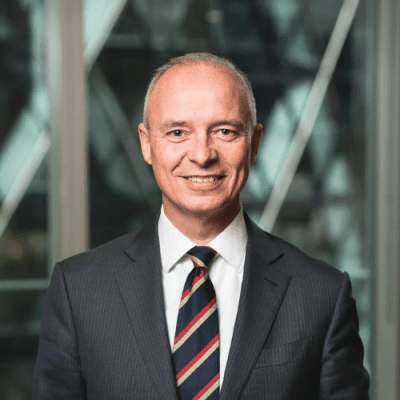
David Lomer

David Lomer has had a 28-year career in financial services as an adviser and investor. David worked at J.P. Morgan from 1997 to 2022 in the UK, New York, San Francisco and Spain. Over this period he ran the largest country, product and sector teams in Europe as Co-Head of UK Investment Banking, Co-Head of Mergers & Acquisitions and Co-Head of the Telecoms, Media and Technology business. David was a global senior champion of J.P. Morgan’s Diversity & Inclusion Initiatives and leader of its EMEA Investment Banking D&I Culture Program. From 2022 to 2025 David was the Head of the UK, Benelux and Nordics for ICG’s €8bn flagship European Corporates fund. He is married with two daughters and graduated from Durham University with a First Class Honours Degree in History.

Prof Waseem Qasim

Prof Waseem Qasim is Professor of Cell and Gene Therapy at the Great Ormond Street Institute of Child Health in London. His research encompasses development of gene therapy for EB.

Prof Anthony Oro, Prof Angela Christiano & Prof Dennis Roop

Prof Anthony Oro is a Professor of Dermatology, Associate Director of the Center for Definitive and Curative Medicine, and the co-director of the Child Health Research Institute at Stanford University.

Prof Angela Christiano is a Professor of Dermatology and Genetics and Development at Columbia University. Her research is focussed on the study of inherited skin and hair disorders, with the aim of developing gene and cell-based therapies.

Prof Dennis Roop is a Professor of Dermatology and director of the Gates Center for Regenerative Medicine at the University of Colorado.

Dr Anna Martinez

Anna is a leading paediatric dermatology consultant and National Epidermolysis Bullosa Service lead at Great Ormond Street Hospital in London.

Dr Ciro Chiappini

Ciro is a Senior Lecturer in Nanomaterials and Biointerfaces at King’s College London. His research blends nanotechnology, bioengineering and cell biology to develop functional materials that direct cell behaviour.

Prof John McGrath

Prof John McGrath is Professor of Molecular Dermatology and Head of the Genetic Skin Disease Unit at King’s College London, and a Consultant based at Guy’s Hospital in London, where he is Head of the St John’s Institute of Dermatology. He is an internationally renowned expert in EB.

Prof Fernando Larcher

Fernando is Head of the Epithelial Biomedicine Division at the Biomedical Innovation Department of the public research institute CIEMAT and Associate professor of Biochemistry at the Department of Bioengineering of University Carlos III of Madrid. His research focuses on various aspects of skin regenerative medicine, including cell and gene therapy for rare skin diseases.

Prof Marcela del Río

Marcela is the Head of the Regenerative Medicine Unit at CIEMAT and Vice Dean of the School of Engineering (Biomedical Engineering/Bioengineering Department) at the Universidad
Carlos III de Madrid. Her group focuses on understanding the underlying mechanisms of tissue repair in order to improve skin healing under impaired conditions. She is a member of the Spanish Society of Cell and Gene Therapy and of the European Society for Dermatological Research.

Prof Andrew South

Andrew South is a Professor in the Department of Dermatology at the School of Medicine and Public Health at the University of Wisconsin. He is a molecular biologist studying Squamous Cell Carcinoma, particularly those arising in individuals with genetic predisposition to progressive disease.

Dr Emanuel Rognoni

Dr Emanuel Rognoni is a lecturer at the Centre for Cell Biology and Cutaneous Research at the Blizard Institute,
Queen Mary University of London. He is a biochemist by training and his PhD explored the role of
focal adhesion of Kindlin-1 in skin development and skin cancer in Kindler Syndrome.

Prof Dennis Roop

Prof Dennis Roop is a Professor of Dermatology and Director of the Charles C. Gates Center for Regenerative Medicine at the University of Colorado.

Prof Jakub Tolar

Prof Jakub Tolar is Dean of the University of Minnesota Medical School and a Professor in the Department of Peadiatric Blood and Marrow Transplant and Cellular Therapy. He is an internationally recognised EB researcher and physician.

Prof Alain Hovnanian

Prof Alain Hovnanian studied medicine at the school of Paris XII University from 1977 to 1983. In 1993, he identified COL7A1 encoding type VII collagen as the defective gene for recessive dystrophic epidermolysis bullosa (RDEB) and completed his PhD at Paris VII University on the molecular aspects of inherited DEB.

Since 2009, he has been Professor of Genetics in the department of Genetics at Necker Hospital for Sick Children in Paris. He runs a translational clinic on genetic skin diseases of children and adults aimed at fostering translation of research into new treatments for orphan diseases. His laboratory is one of the founding teams of the IMAGINE Institute for genetic diseases which opened in 2014 in Paris.

Dr Matthias Titeux

Matthias is an INSERM researcher at Imagine Institute in Paris, dedicated to the research and treatment of genetic disorders. He has worked on a variety of EB research projects and since 2010 he has continued to develop therapeutic approaches for RDEB, the pathophysiology of EB and to improve molecular diagnoses of genetic skin disorders in the Prof. Hovnanian’s lab. His pre-clinical work paved the way for the development of the EBGRAFT clinical trial.

Dr Araksya Izmiryan

Dr Izmiryan is a researcher at the Imagine Institute in Paris with over a decade of experience in gene and cell therapy, specializing in genome editing strategies for rare genetic skin disorders. She holds a Ph.D. in developmental biology from Denis-Diderot University, Paris in 2007 and completed post-doctoral fellowships at Necker Hospital, Paris, where she pioneered Meganuclease-based gene correction strategies, leading to a patent.
Her research focuses on clinical translation of genome editing strategies for recessive dystrophic epidermolysis bullosa (RDEB). 

Mr Colin Butler

Colin is a Consultant Ear, Nose and Throat Surgeon at Great Ormond Street Hospital NHS Trust specialising in paediatric ENT care. He completed PhD in airway epithelial stem cell biology from UCL  and continues to play an active role both in translational and clinical research. 

Dr Rob Hynds

Rob leads the Epithelial Cell Biology in ENT Research Group within the Stem Cells and Regenerative Medicine Section of the Developmental Biology and Cancer Department at the UCL Great Ormond Street Institute of Child Health.

Dr May Thandar Aung-Htut

Dr May Thandar Aung-Htut. May Aung-Htut is the co-lead of the Molecular Therapy Laboratory at the Centre for Molecular Medicine and Innovative Therapeutics (CMMIT) at Murdoch University in Perth, Australia. Her research focuses on developing and expanding the application of therapeutic antisense oligonucleotides for various diseases.

Dr Joanna Jacków-Malinowska

Dr Joanna Jacków-Malinowska leads a research team and is a senior lecturer at the St. John's Institute of Dermatology, King’s College London. She has extensive experience in EB gene therapy and gene editing applications.

Rachel Lesiter

A graduate of the University of Nottingham, Rachel was Managing director of The Lawyer and Lawtel at Centaur Holdings and now devotes considerable energy to charitable projects.

Duncan Wales

Duncan Wales is founder and CEO of Tellimer, an information services and tech firm. He was formerly CEO of Exotix Capital, and a member of the executive management teams at ICAP plc and markets innovator BrokerTec. He is a lawyer by background and trained and worked at Clifford Chance.

He has an MA in social and political sciences from Cambridge University, and has two postgraduate qualifications in law. He served for 12 years with UK Reserve Forces.

“CureEB is a leader in funding research for the treatment and cure of the terrible disease that is EB. Its work is accelerating medical understanding of skin and genetic conditions more generally, providing hope to thousands of children and their families.“

Tazim Hall

Tazim was educated at St John’s College, Cambridge and qualified as a solicitor in 1996 at the City law firm Freshfields. She was a partner of the firm within its banking department from 2008 until 2012. Tazim had a broad practice encompassing all aspects of banking work with an emphasis on acquisition finance (advising private equity sponsors, investment and commercial banks) and also advised corporate borrowers. Since 2012 Tazim has been working part-time as a consultant at Freshfields and has been spending more time at home with her three children (aged 11, 9 and 4).

“It is an honour to help this charity fund ground-breaking research in the hope that one day soon, EB will be eliminated from our vocabulary and from the lives of some of the world’s bravest children”

Prof David Kelsell

I completed my PhD on the “Genetics of familial breast cancer” at the Imperial Cancer Research Fund, with genetic studies to identify the two breast cancer genes, BRCA1 and BRCA2, and their importance in familial and sporadic breast cancer. This study resulted in first author papers in the Lancet and Human Molecular Genetics. In addition, I collaborated with Professor Irene Leigh at the Royal London Hospital, to perform genetic studies on familial palmoplantar keratodermas, particularly the localization of a predisposition gene to both skin disease and oesophageal cancer. After a short but successful Wellcome Trust postdoctoral, I joined SmithKline Beecham (now GlaxoSmithKline) where I used a bioinformatic approach to identify new molecular targets. From there I returned to academia and the Centre for Cutaneous Research as a Senior Lecturer to work on human skin genetics and keratinocyte biology. I was made Professor of Human Molecular Genetics in September 2003. I am Deputy Director of Research at the Blizard Institute and board member of the European Society of Dermatological Research. I have been a trustee of Cure EB since registration.

“As an academic researcher working on other genetic skin and related disorders I am really impressed with the vision, enthusiasm and focus into translating therapies to this specific condition. I am delighted to help support Cure EB in this important mission”

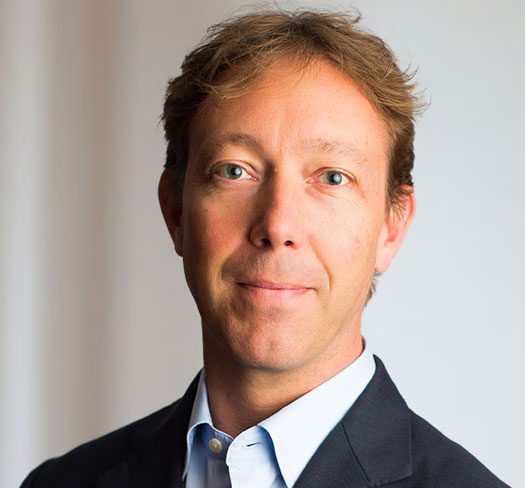
Michaël De Lathauwer

Michaël is CEO of IMC Trading, a global financial services firm. Previously he was CEO of the Cardano Group and Chairman of Now: Pensions. Before that, Michaël spent 23 years at Goldman Sachs (GS) with postings in London, New York, Hong Kong and Singapore, becoming a partner in 2002. He graduated from the University of Louvain (Belgium) with a Masters in Economics and the City University Business School with a Masters in Business Administration. His association with Cure EB (Formerly Sohana Research Fund) began in 2011.

“Thrilled to help find a solution to this cruellest of conditions through fundamental
research”

James Collins

James studied at Cambridge before moving to London to take up practice as a commercial Barrister at Essex Court Chambers. He has been King’s Counsel since 2012. James is father to Sohana and her 3 sisters. He was co-founder of Cure EB; has been a trustee since inception; and is Sharmila’s First Lieutenant.
He has primary responsibility for financial management, legal and compliance.

“Faith in progress is not enough. But coupled with funding and research, it is a powerful force for improving the lives of the people who suffer from this terrible condition”

Sharmila Nikapota (Collins)

Sharmila is the founder of Cure EB (formerly Sohana Research Fund) and Sohana’s mother. She graduated from Cambridge University with a degree in veterinary medicine in 1994 and worked in general practice gaining a certificate in veterinary radiology. She stopped work soon after Sohana was born. Optimism within the research community coupled with chronic underfunding of EB medical research led to the idea for a dedicated research fund. She is the driving force behind the fund, planning events, thinking up fundraising challenges, meeting researchers and speaking at events. With the growth of the fund she plans to concentrate on maximising research progress by building collaborations between researchers, other funding bodies and relationships with biotech to realise the ultimate aim of the fund –to #cureEB. She has three other daughters and a dog.

“Watching Sohana suffer the agonising pain of EB everyday is the best incentive to push forward research to find a treatment for all”